
1. Home
  2. Landmark Cases

Landmark Cases

Cases that made a difference

A selection of the firm's work that has drawn national and international attention, and that reflects how it approaches every client's rights.

The first trade mark granted to an address
Trade Marks

The first trade mark granted to an address

6 Ballygunge Place is a street address in Kolkata. It is also the name of a restaurant that became one of the city's best known brands for Bengali cuisine.

Addresses are ordinarily descriptive and difficult to protect. The firm, headed by Biswajit Sarkar, succeeded in the matter in favour of the owners, securing recognition of the address itself as a trade mark. The firm describes it as the world's first trade mark granted to an address.

The matter is now cited as an example of how a place name can acquire the distinctiveness needed for protection when it has come to identify a single source in the minds of the public.
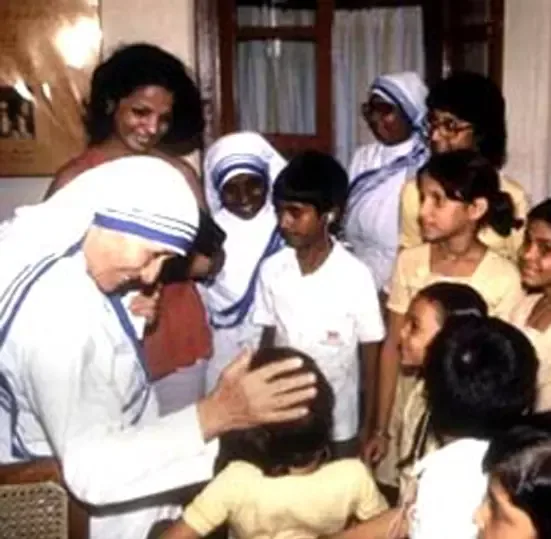
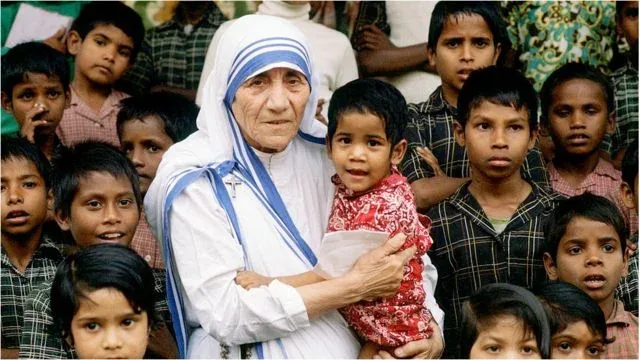
Protecting the name of the Missionaries of Charity
Copyright

Protecting the name of the Missionaries of Charity

The Missionaries of Charity, founded in Kolkata by Mother Teresa, is one of the most widely recognised religious congregations in the world. Recognition brings the risk of misuse.

The firm volunteered its services to the congregation, acting pro bono to create copyright protection over its house name and to support the congregation's wider intellectual property interests.

The work reflects one of the firm's stated values: giving back to the community in which it was founded.

Mother Teresa's blue-bordered sari
Trade Marks

Mother Teresa's blue-bordered sari

The white sari with three blue borders, worn by Mother Teresa and the sisters of the Missionaries of Charity, is known throughout the world as a symbol of service to the poor.

Acting for the Missionaries of Charity, the firm pursued protection of the pattern as a trade mark. Its recognition coincided with Mother Teresa's canonisation on 4 September 2016.

The matter drew international attention as an unusual example of a garment pattern protected for a religious congregation, preventing its commercial exploitation by others.